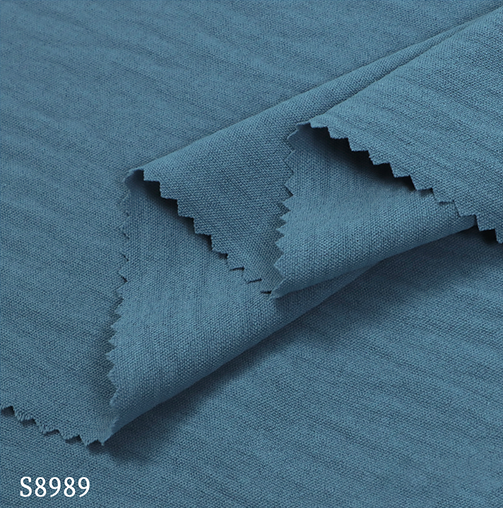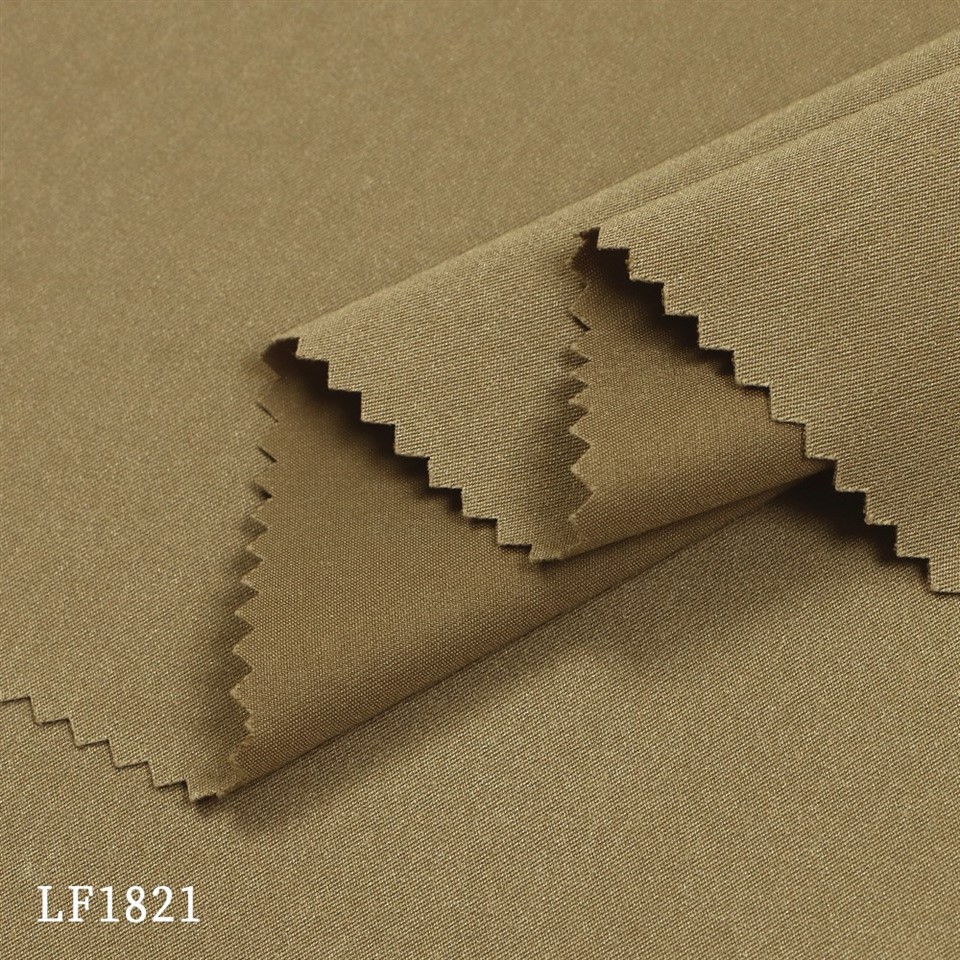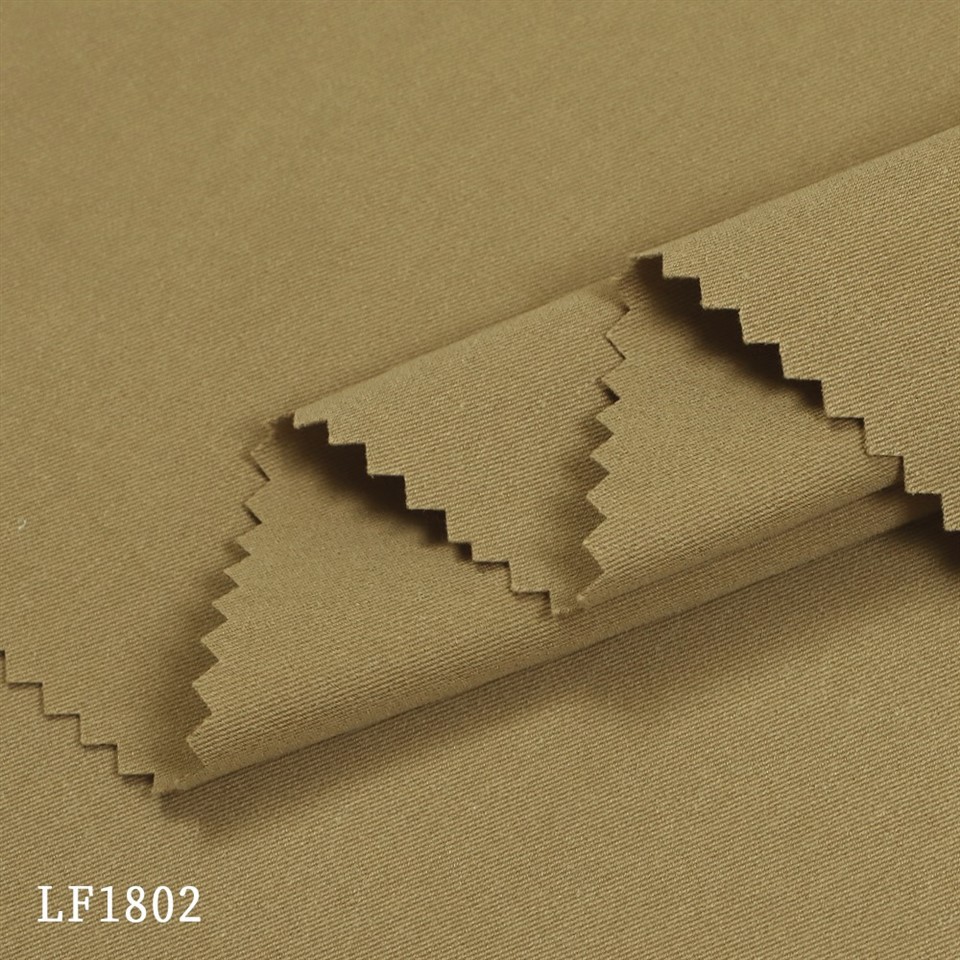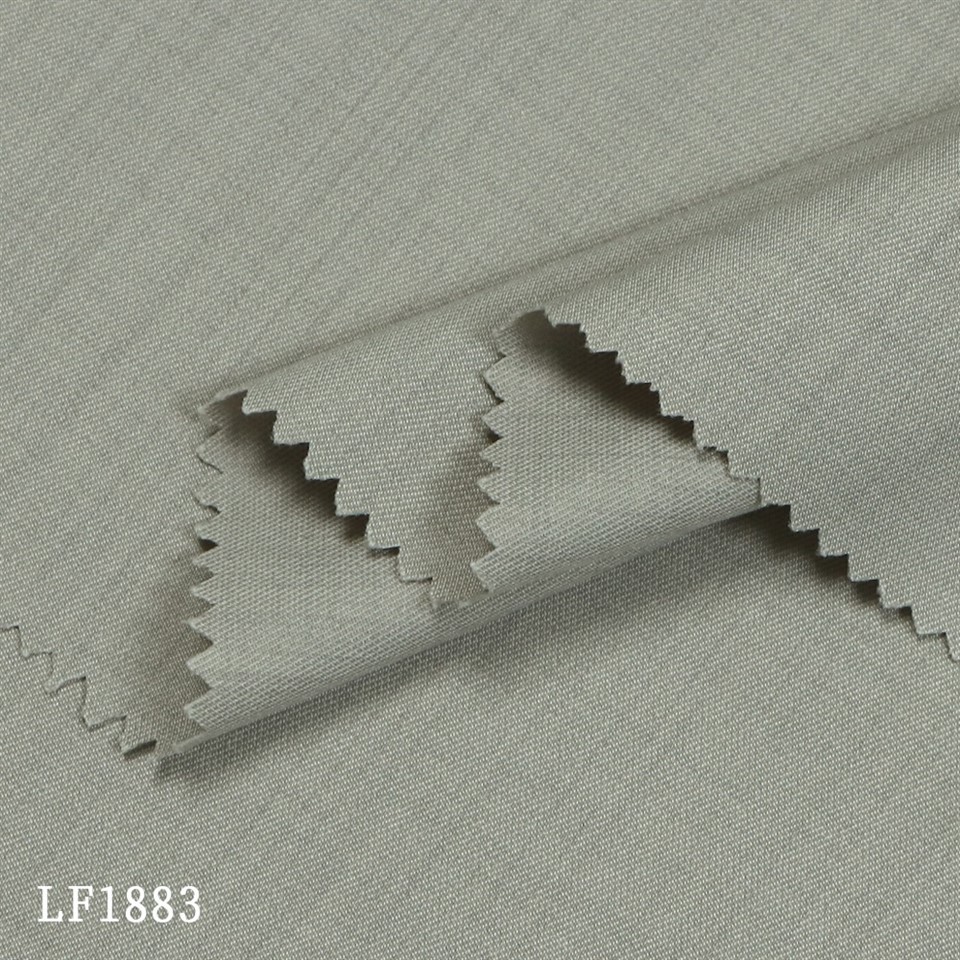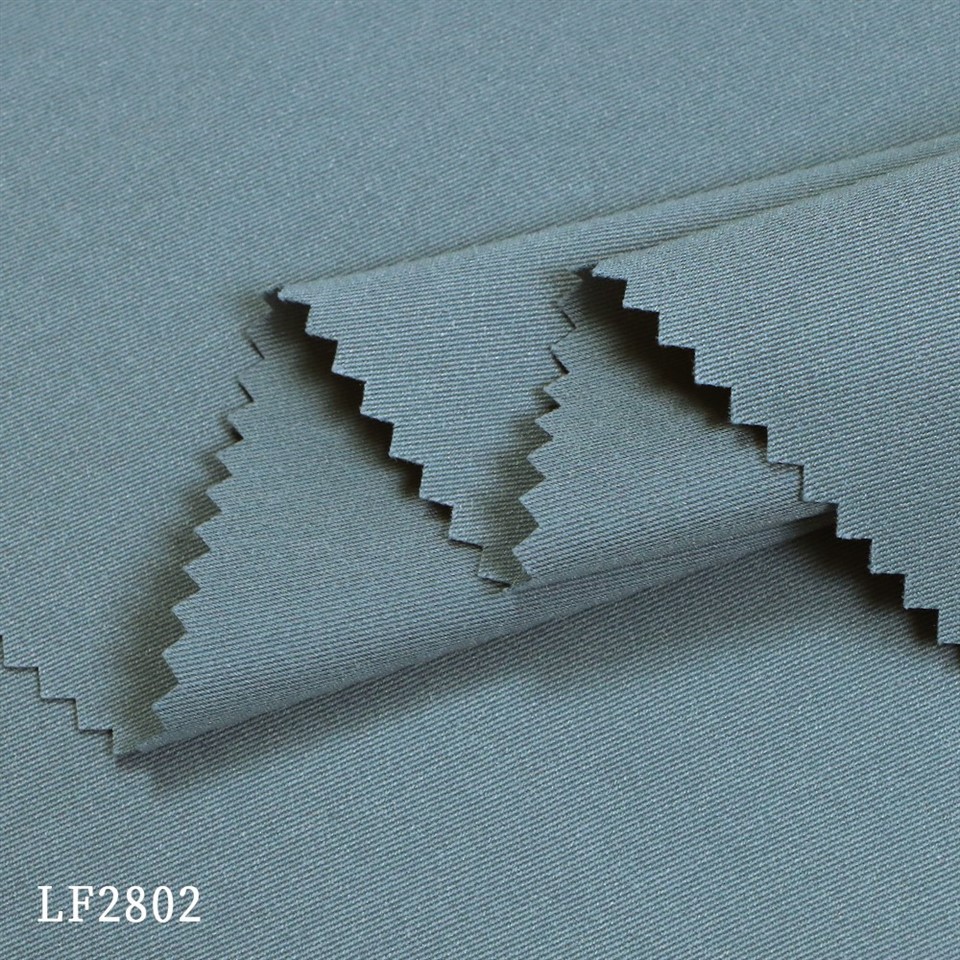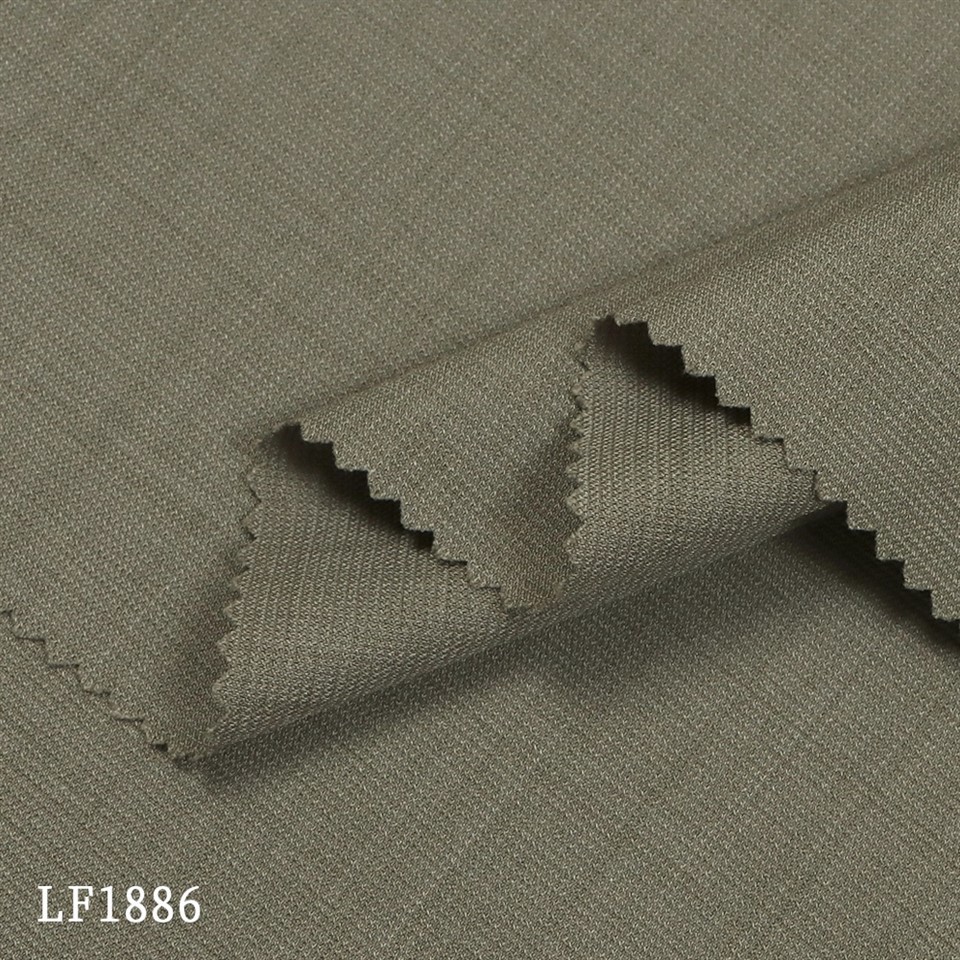
The main characteristic is the presence of warp and weft threads on the fabric surface. When the warp and weft raw materials, yarn count, and density differ, the fabric exhibits anisotropy, and different interlacing patterns and finishing conditions can create different appearances.
The main advantages of woven fabrics are structural stability, a smooth surface, and generally no drooping when suspended, making them suitable for various cutting methods. Woven fabrics are suitable for various printing and dyeing methods; generally, printed and jacquard patterns are more refined than knitted, braided, and felted fabrics. A wide variety of fabric colors and patterns are available. As clothing fabrics, they are washable and can be refurbished, dry-cleaned, and finished in various ways. Although woven fabrics are less elastic than knitted fabrics, and improper finishing can cause warp and weft skew, affecting garment cutting, sewing, and wearing effects, their numerous advantages make them widely used in clothing.