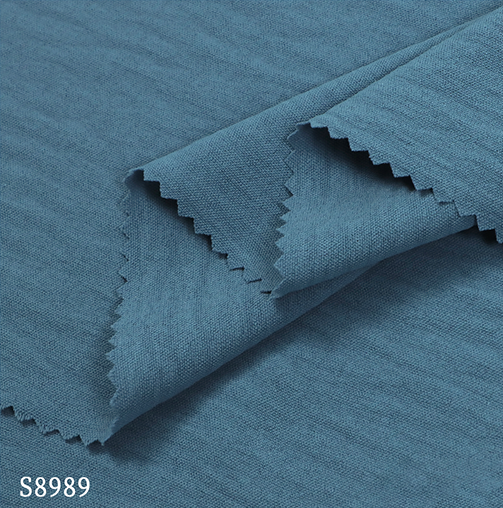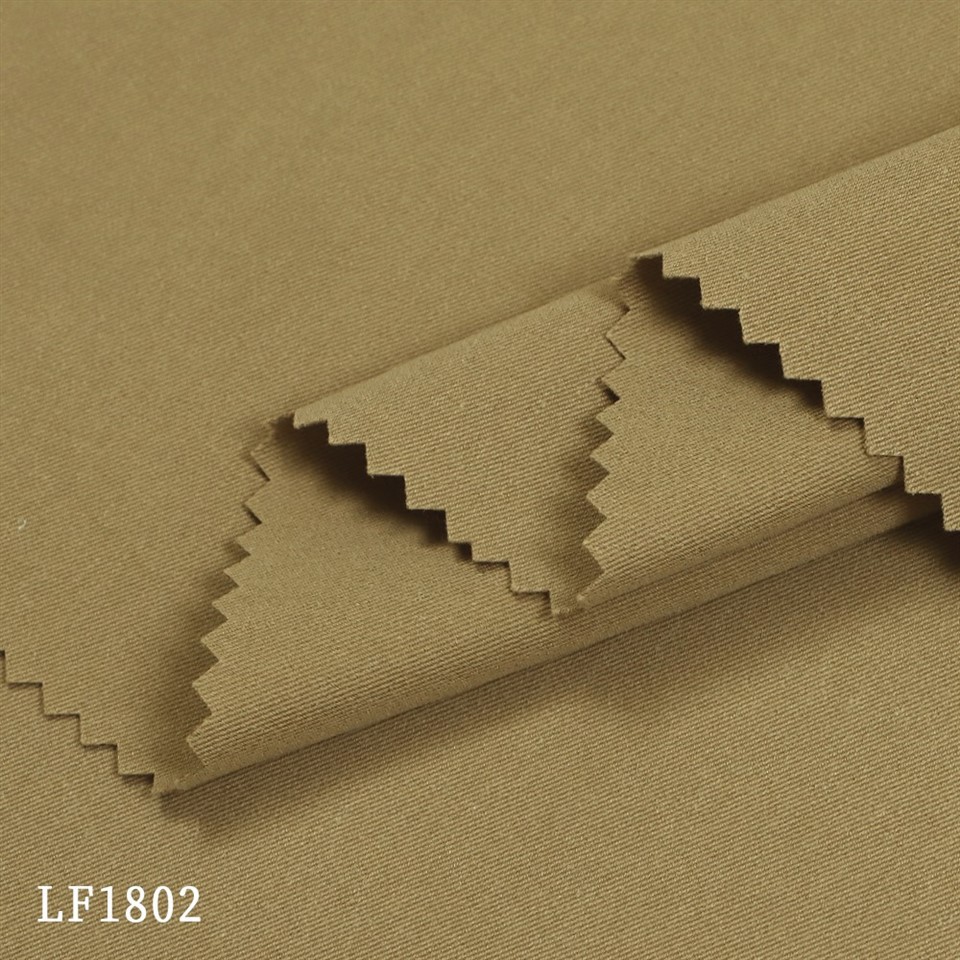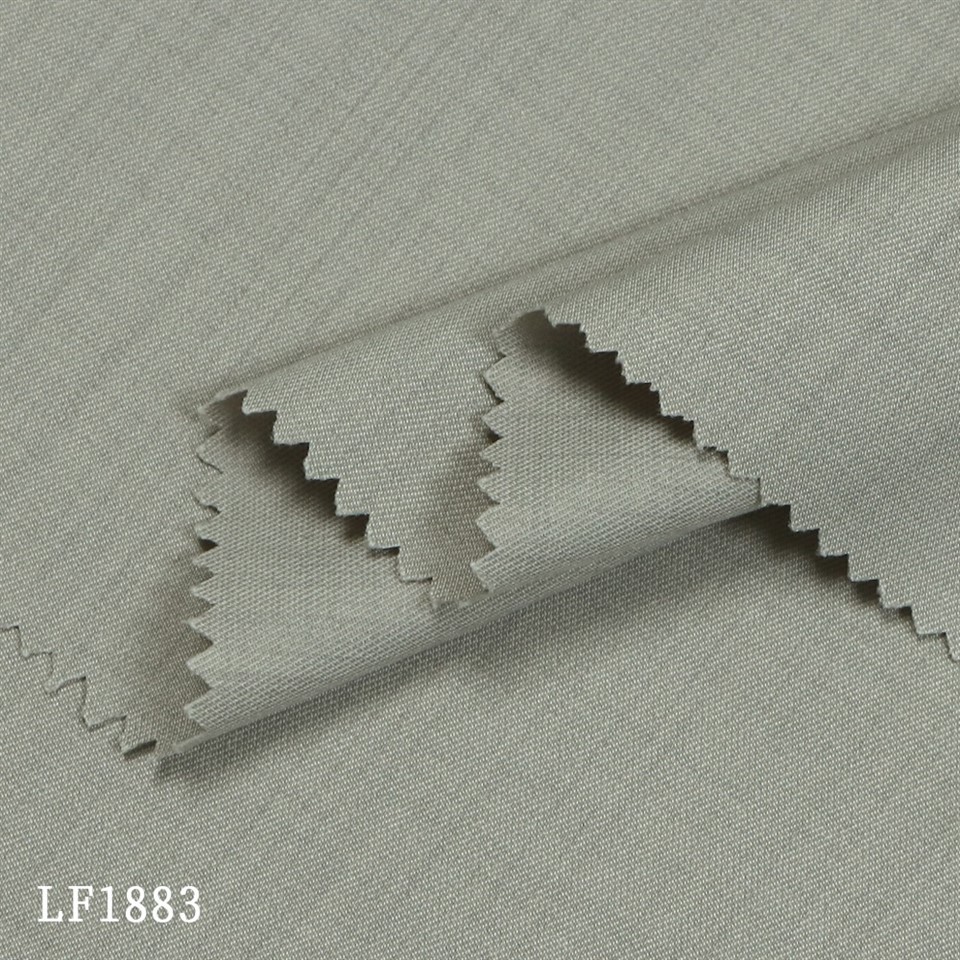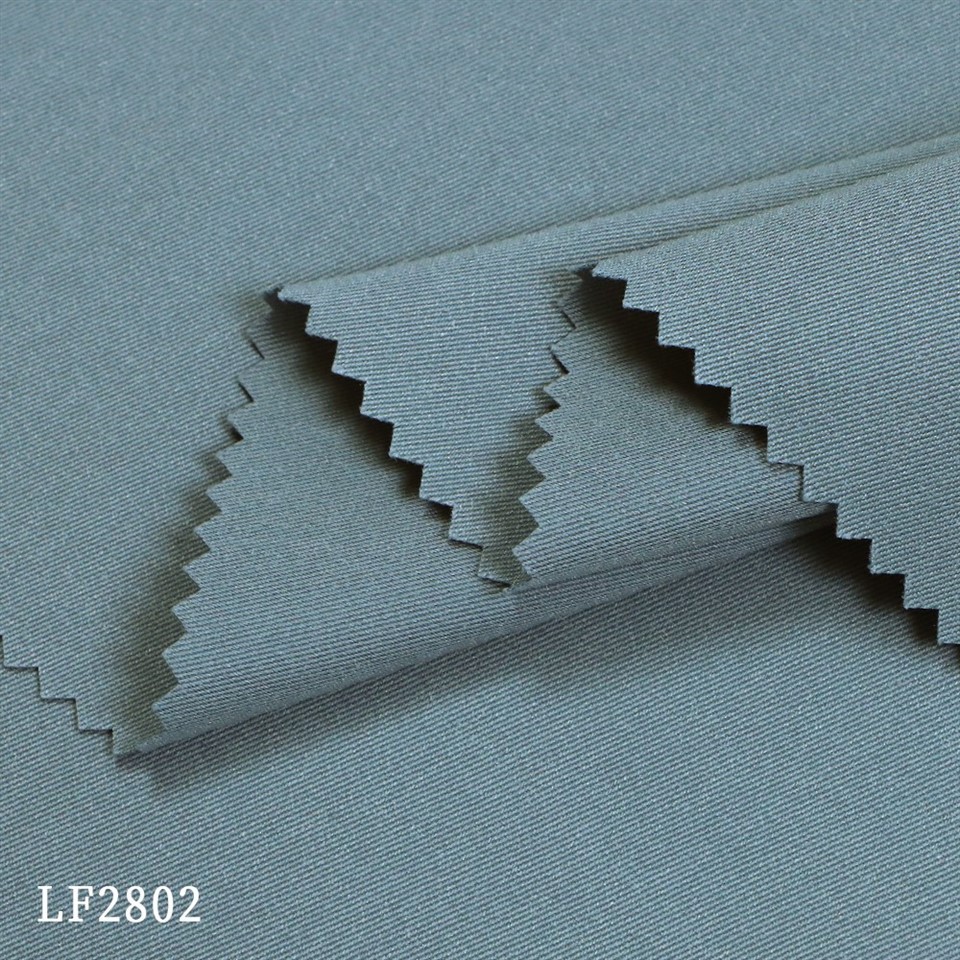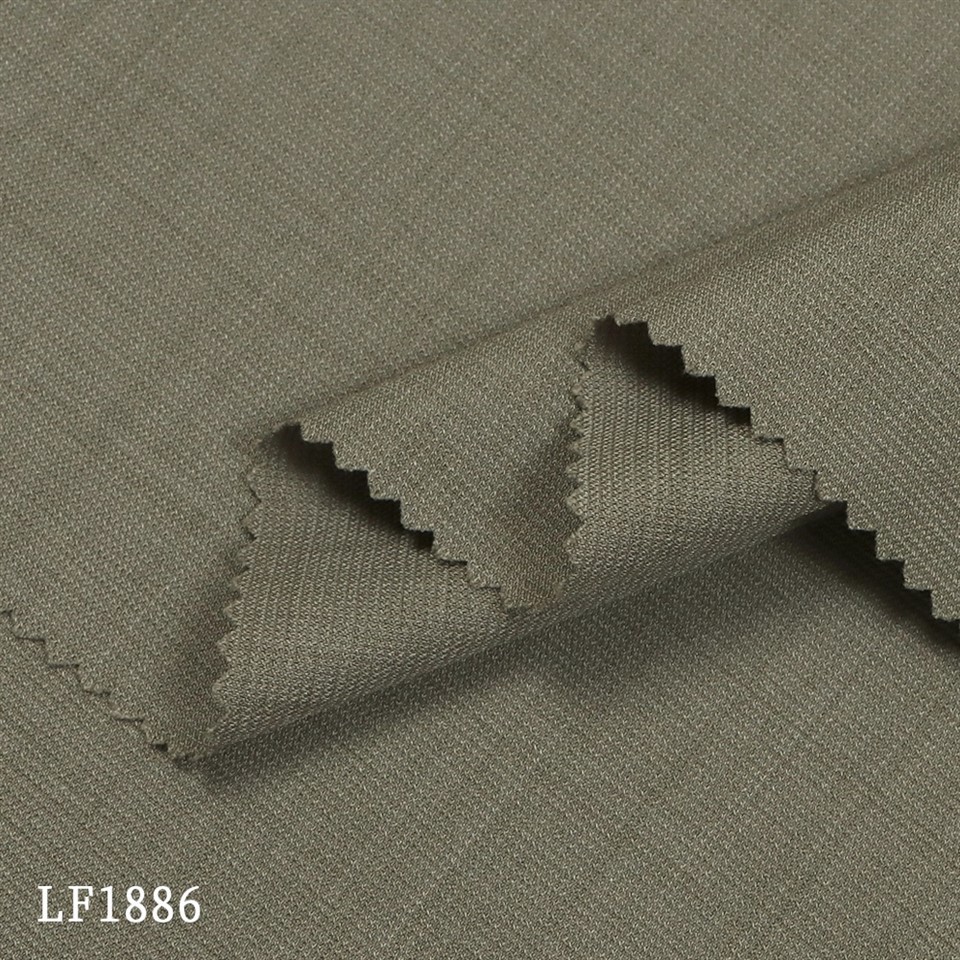
Woven fabric belongs to the mid-to-high grade. Woven fabric is made by weaving yarns together on a loom using a shuttle, with warp and weft threads interlacing. The weave generally falls into three main categories: plain weave, twill weave, and satin weave, with variations thereof. In terms of composition, it includes cotton, silk, wool, linen, synthetic fibers, and blended and interwoven fabrics. It has many advantages and holds an important position in the clothing industry.
Firstly, its weave method makes it strong, crisp, and resistant to deformation, with a stable structure, a smooth surface, and generally does not sag when draped, making it suitable for various cutting methods. Secondly, it is suitable for various printing and dyeing finishing methods; printed and jacquard patterns are more refined than knitted fabrics, with a wide variety of colors and patterns. Furthermore, as a clothing fabric, it has good washability and can be refurbished, dry-cleaned, and subjected to various finishing processes.
For these reasons, woven fabrics hold a leading position worldwide in terms of the variety and production volume of clothing, and are widely used in various high-end garments. However, it also has some shortcomings, such as being less elastic than knitted fabrics, and improper finishing can cause warp and weft to become skewed, affecting the cutting, sewing and wearing effect. But its overall advantages make it widely used.