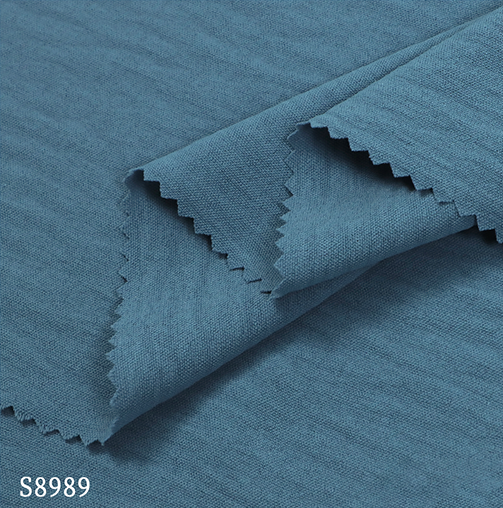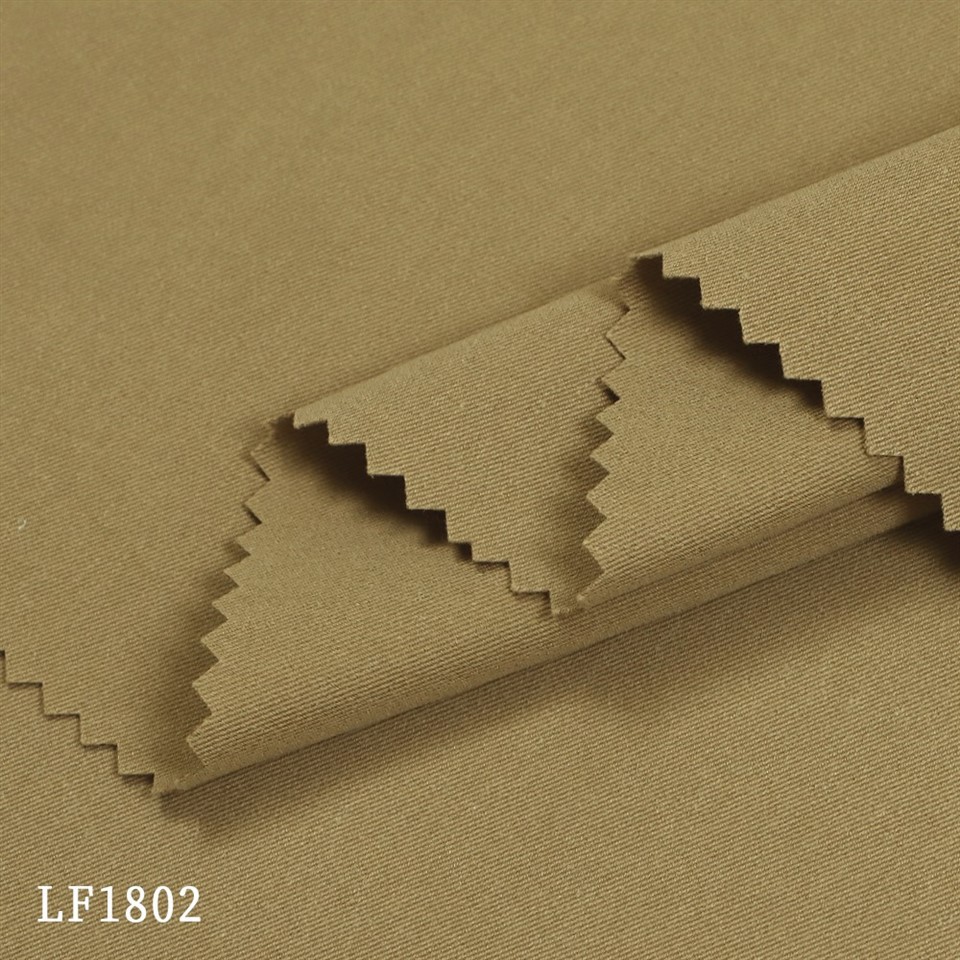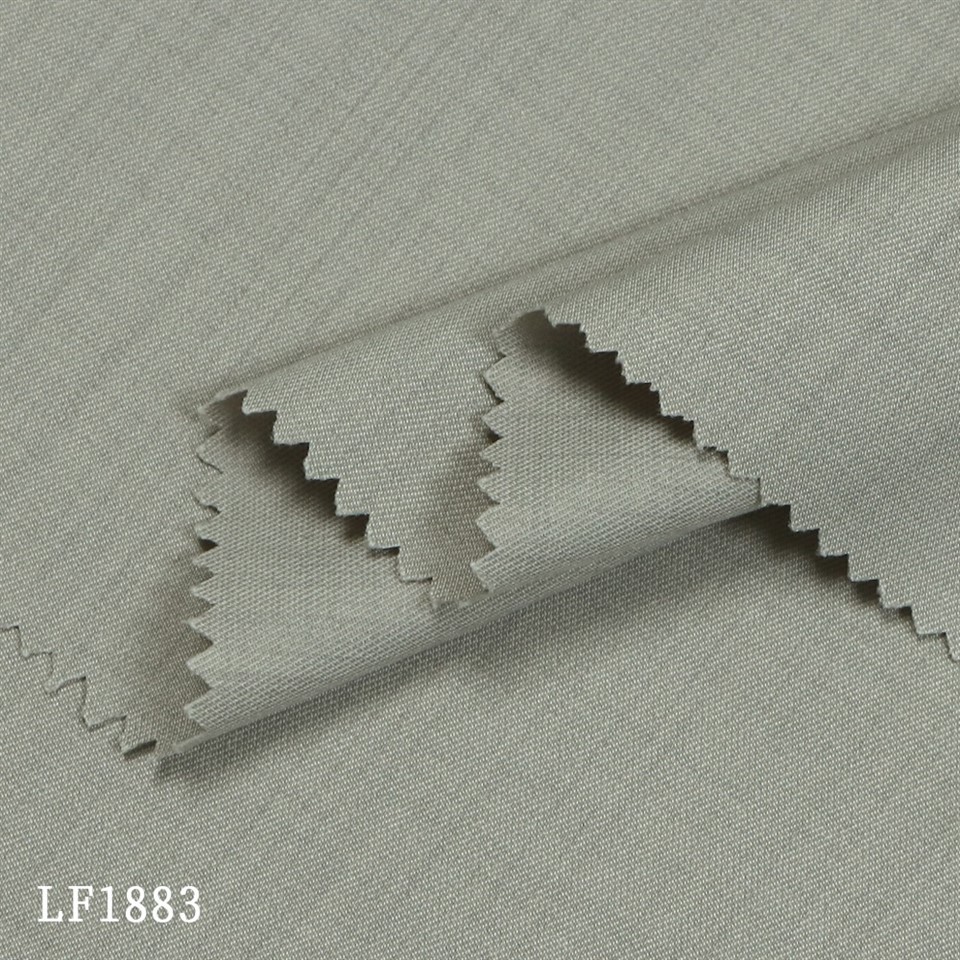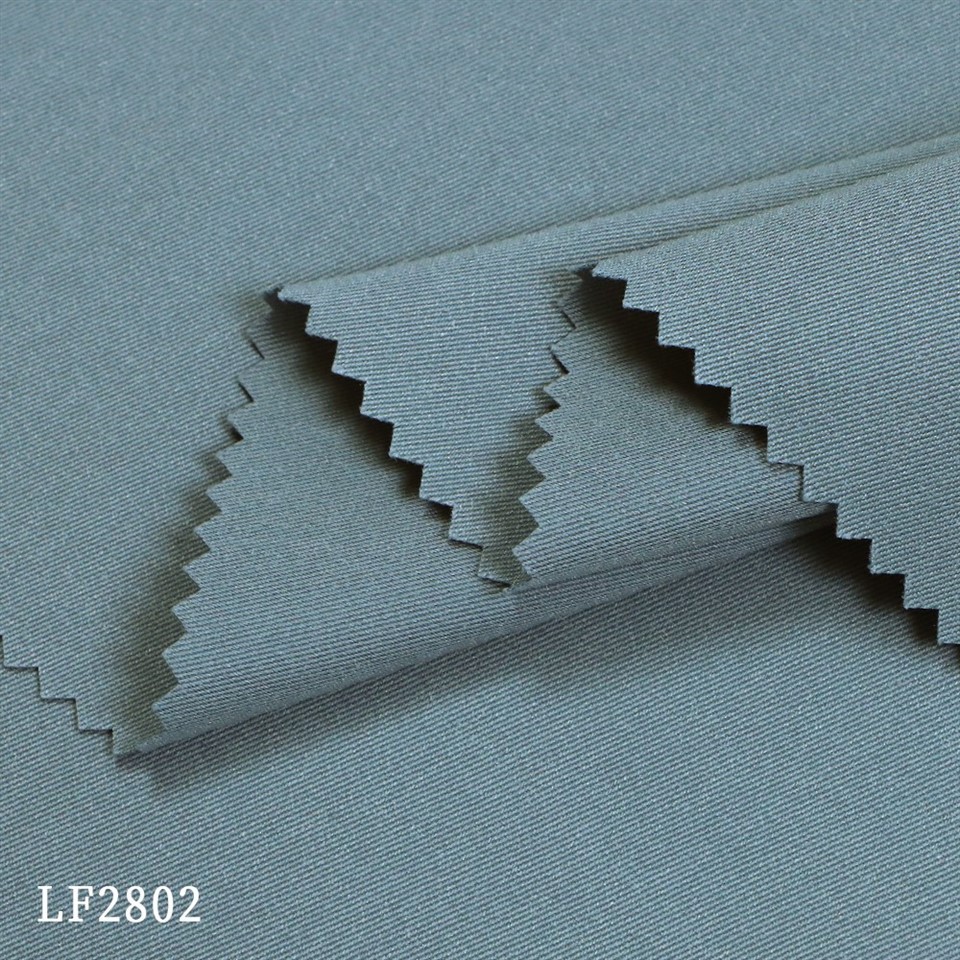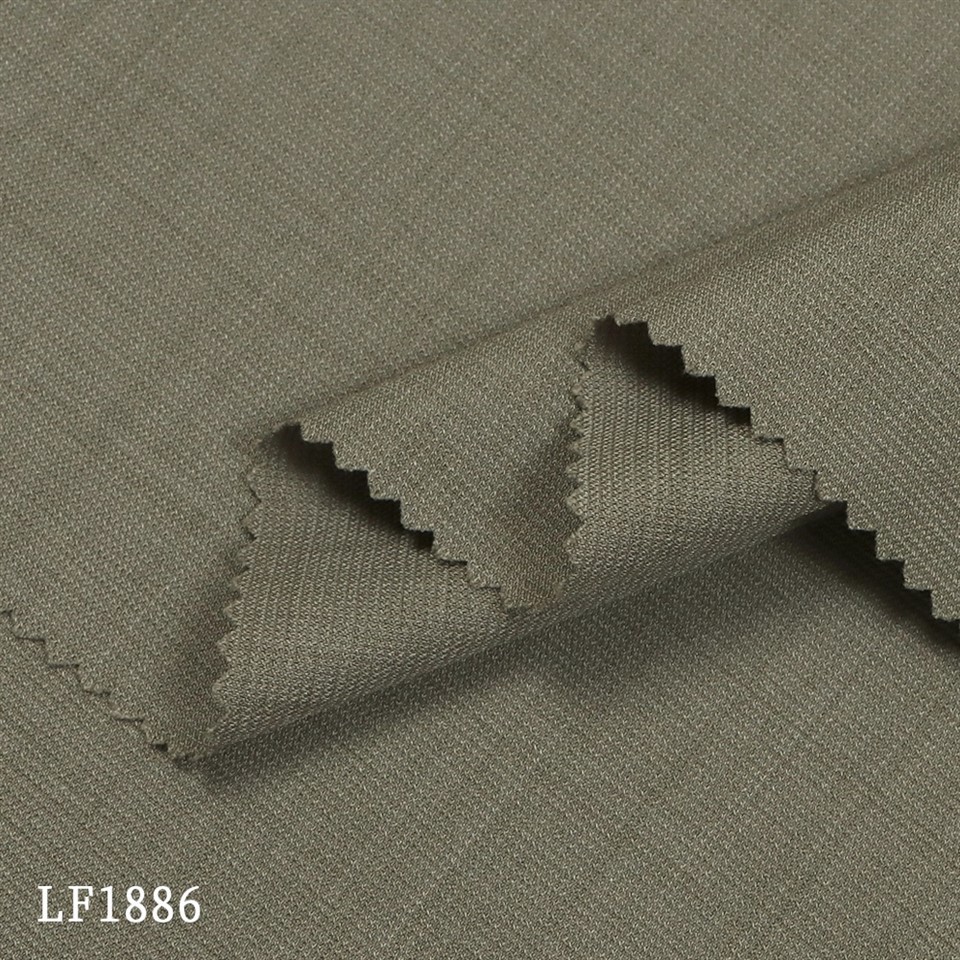
The cutting process for woven fabrics requires that a layout diagram be drawn based on the pattern before proceeding to the next stage. The basic principles of layout are "completeness, rationality, and economy." The main process requirements during cutting are as follows:
Fabrics dyed or sand-washed in different batches should be cut in batches to prevent color differences within the same garment. For fabrics with color differences within a single roll, color-differentiated layout should be used.
When laying the fabric, count the quantity and avoid defects.
For striped or checkered fabrics, ensure the stripes and checks are aligned and positioned in each layer during laying to guarantee the continuity and symmetry of the stripes and checks on the garment.
Cut the cuts according to the alignment marks on the pattern.
Cutting requires accurate cuts and straight, smooth lines. The fabric layer should not be too thick, and the cuts should not be off-center between upper and lower layers.
When using tapered hole markings, care should be taken not to affect the appearance of the finished garment. After cutting, the quantity and pieces must be counted and inspected. They should be bundled and stacked according to garment specifications, with tags attached indicating the style number, location, and specifications.
When laying out the fabric, pay attention to the straightness of the grain and whether the grain direction of the garment pieces meets the process requirements. For napped fabrics (such as velvet, corduroy, etc.), do not lay out the fabric in the wrong direction, otherwise it will affect the depth of the garment's color.