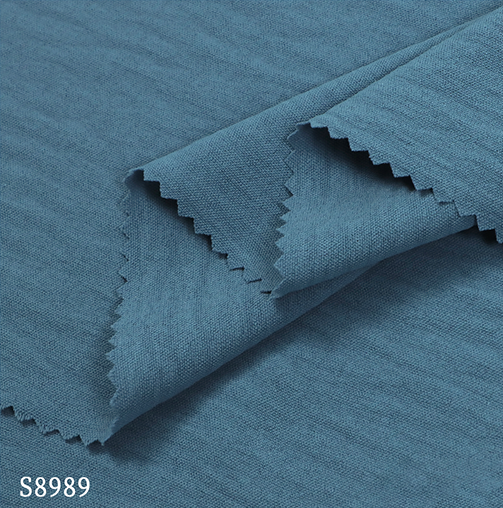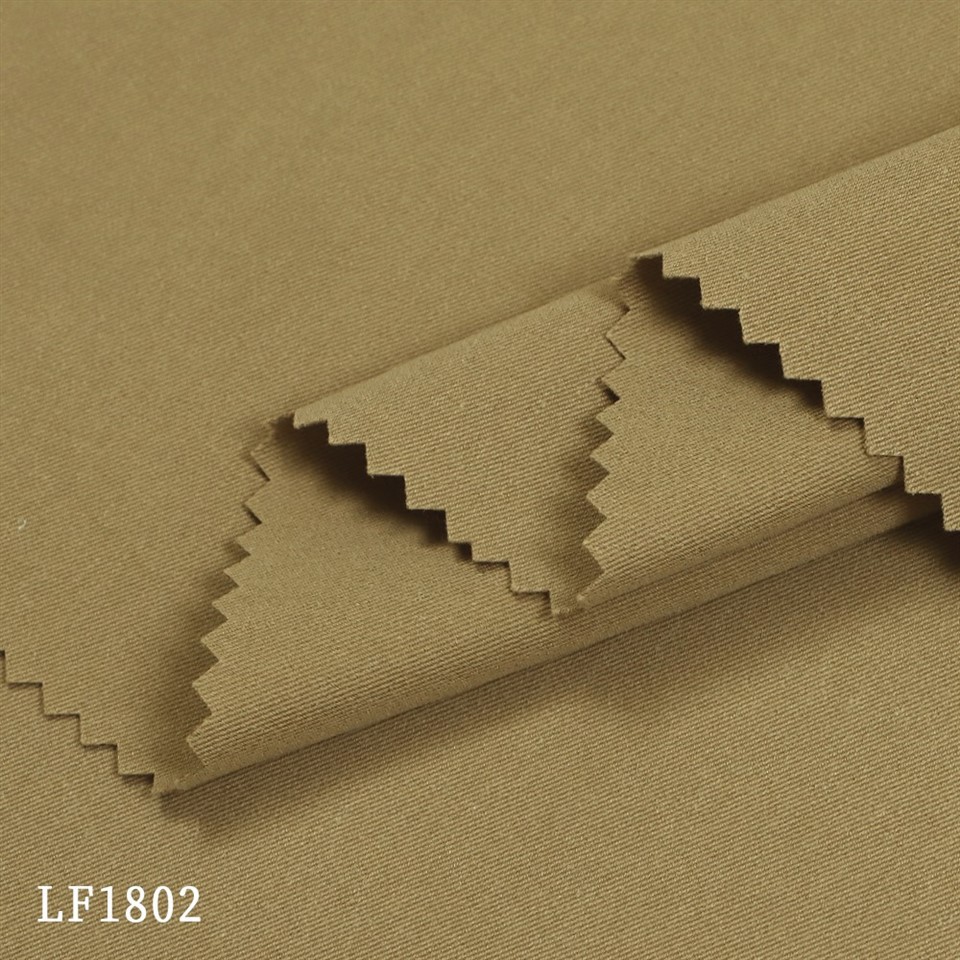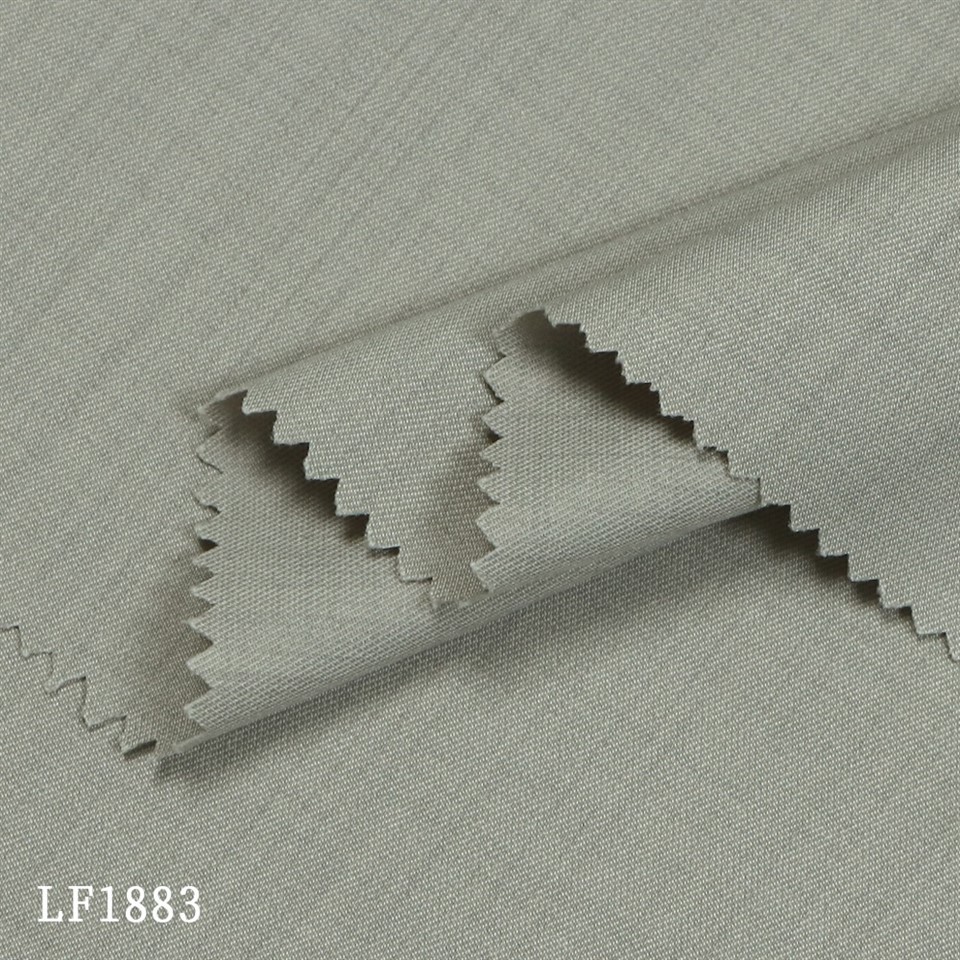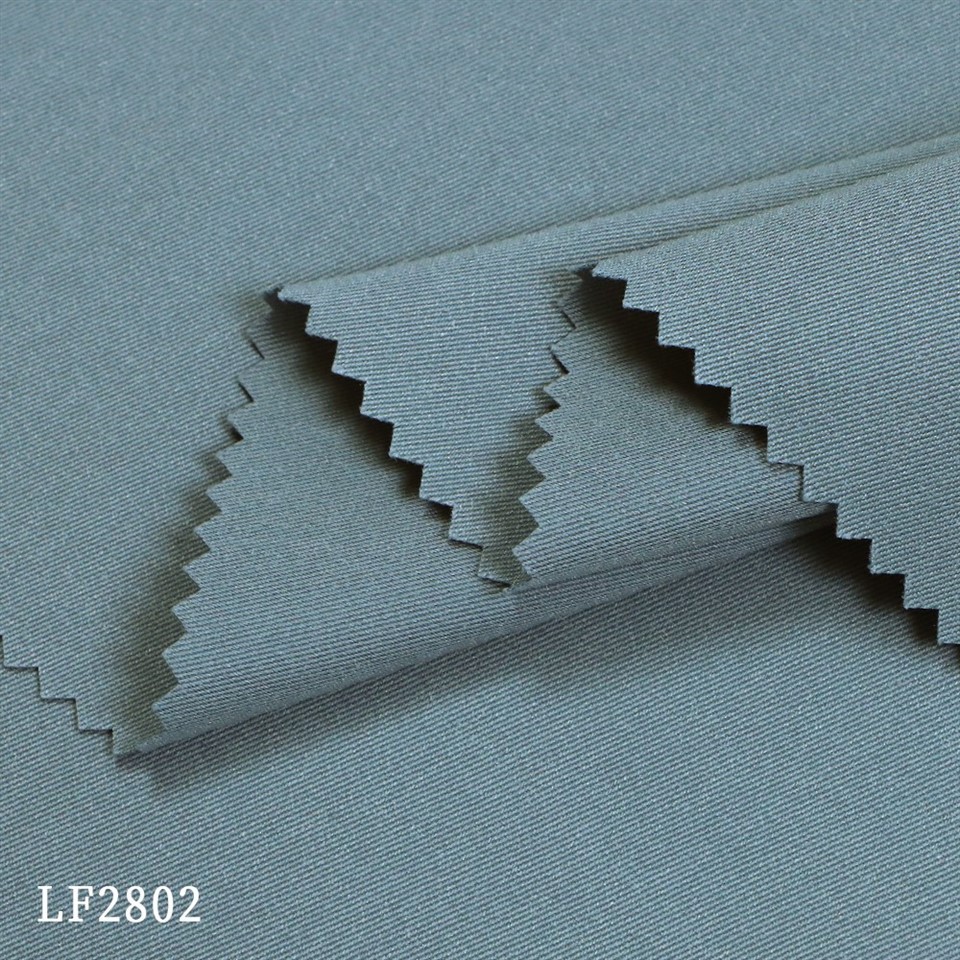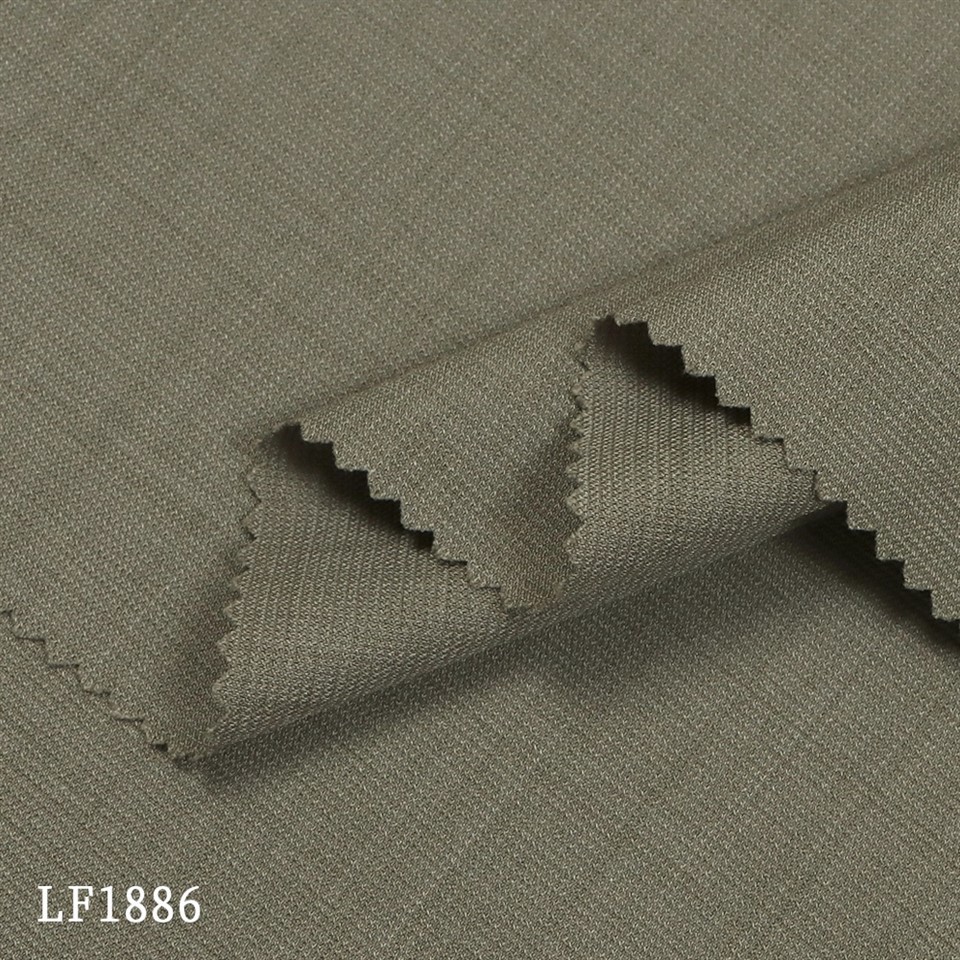
Twill fabric is formed by interweaving warp and weft yarns at a rule of at least two yarns apart. The diagonal patterns on its surface are produced due to the continuous and inclined arrangement of the floating yarns. The differences between the front and back sides of fabrics mainly lie in three aspects: the number of warp and weft organization points on the front and back sides of single-sided twill fabrics is different (for example, the warp side twill fabric has more warp organization points on the front side), while the front and back sides of double-sided twill fabrics have the same organization points but opposite diagonal directions.
The increase in the float length of the yarn gives the fabric a better luster, but it leads to a weakened binding force between the yarns, a lower strength than plain weave fabrics, and a softer hand feel. The density of twill fabric is usually higher than that of plain weave fabric. Under the same yarn count, it is thicker and has relatively better elasticity.