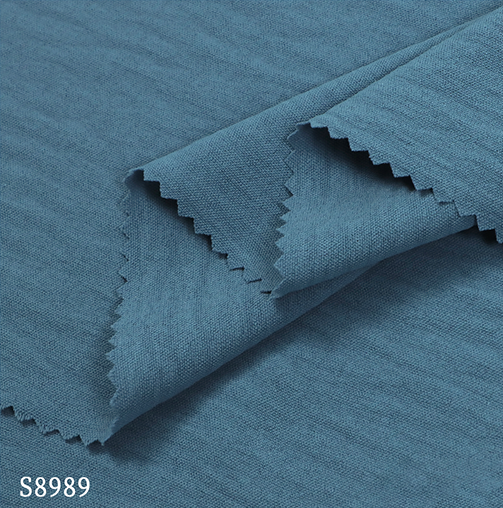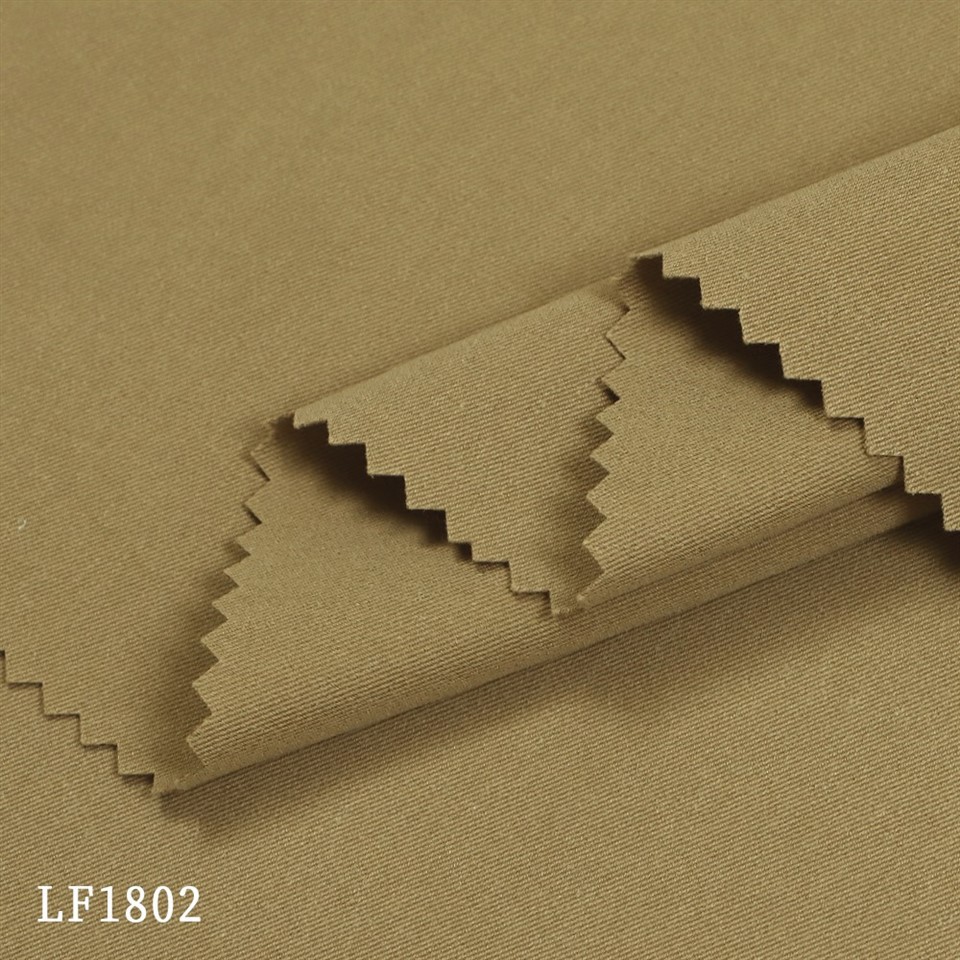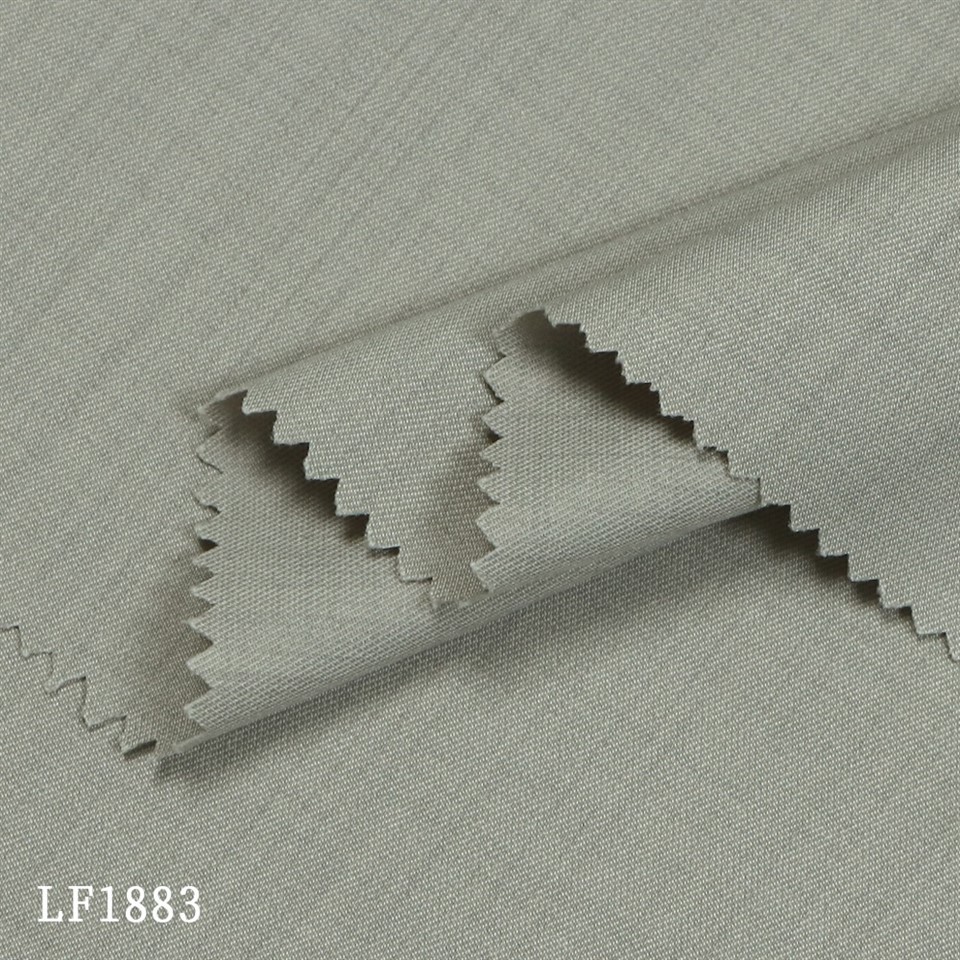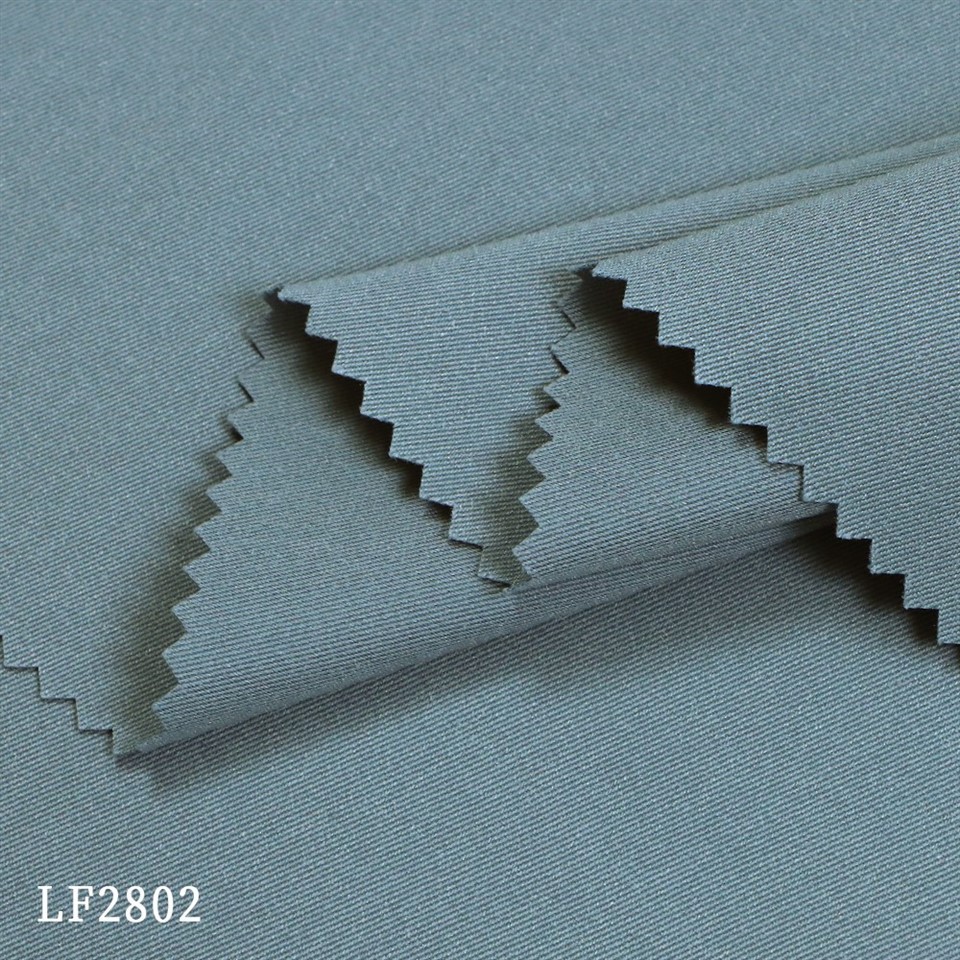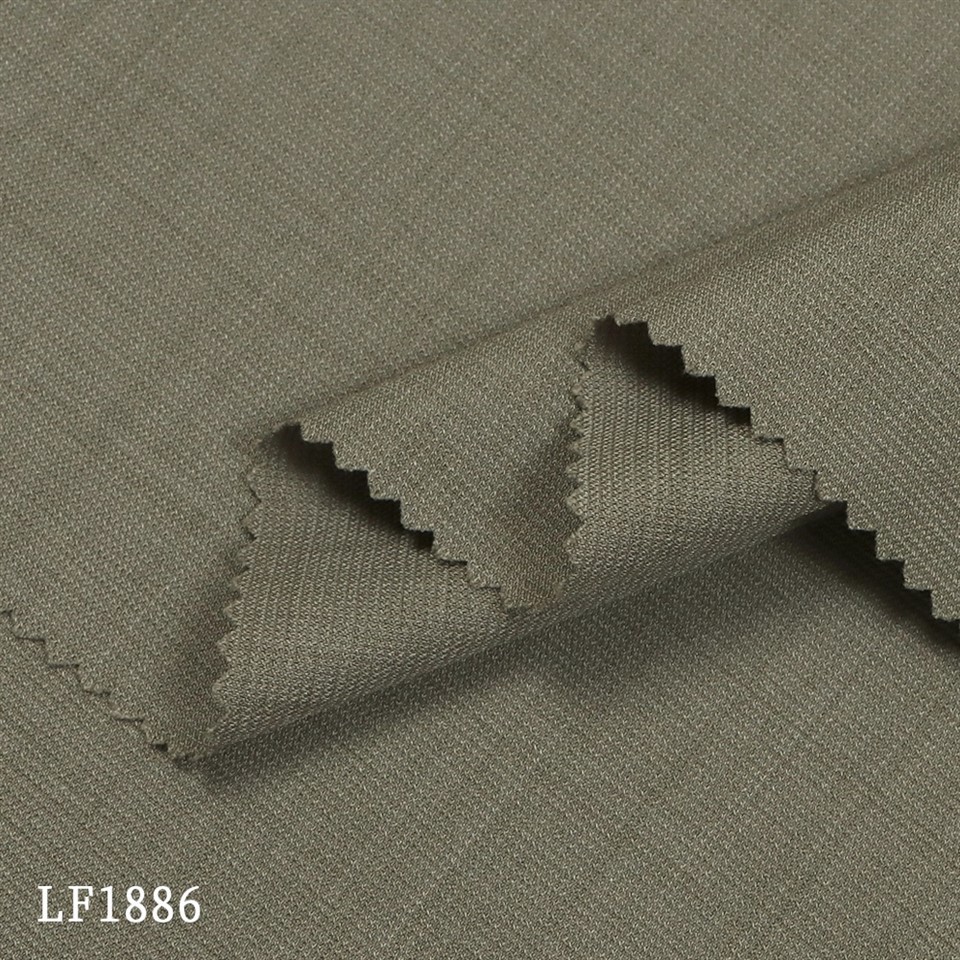
Plain weave is the simplest fabric structure-one yarn over, one yarn under-yet the performance gap between a premium plain woven fabric and a cheap one is enormous. For B2B buyers, the difference hides in four measurable parameters. Knowing them turns fabric negotiation from guesswork into engineering.
First, GSM and yarn engineering.
Fabric weight (grams per square meter) must match the garment: 65 GSM cotton-like DTY plain suits down jacket shells and sun-protection clothing; 100–115 GSM water-repellent plains build trench coats; 160–175 GSM stretch crepes make pants and skirts; 330 GSM double weaves anchor outerwear.
But weight alone is meaningless without yarn data-ask for the yarn count (e.g., 180D×180D filament or 60S×60S spun) and construction. The same 150 cm width and 170 GSM can feel completely different depending on fiber and weave density.
Second, shrinkage and dimensional stability.
Contract-grade plain woven fabric should hold washing shrinkage below 3%, subject to an agreed test method. Workwear buyers should push further for high tensile and tear strength with dimensional stability under industrial washing-TC 65/35 or CVC constructions are the standard answer here.
Third, color fastness.
For apparel that survives repeated domestic laundering, insist on color fastness Grade 4 or above. This is especially critical for polyester crepe and stretch fabrics used in skirts and shirts, where poor fastness shows up as faded seams and stained companion garments after the first wash.
Fourth, functional finishes-specified, not claimed.
Water repellency (DWR), anti-static treatment, cooling nylon-like touch, and peachy finishes are common on modern polyester plains. The buyer's task is to define the test method and durability standard (how many washes must DWR survive?) and put it in the order.
A 90% nylon / 10% polyester striped plain with a nylon-like cooling effect, for example, must be verified by hand-feel and performance testing, not marketing photos.
Finally, sample first: order swatches or garment-length samples, wash them three times, and re-measure GSM and shrinkage. A manufacturer that welcomes this test-and documents GSM tolerance and test methods up front-is one worth building a long-term supply relationship with.