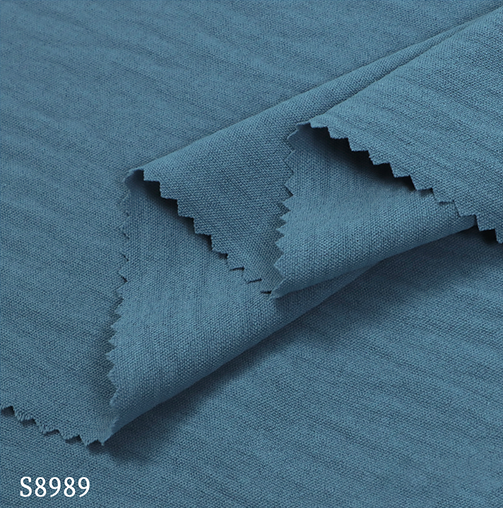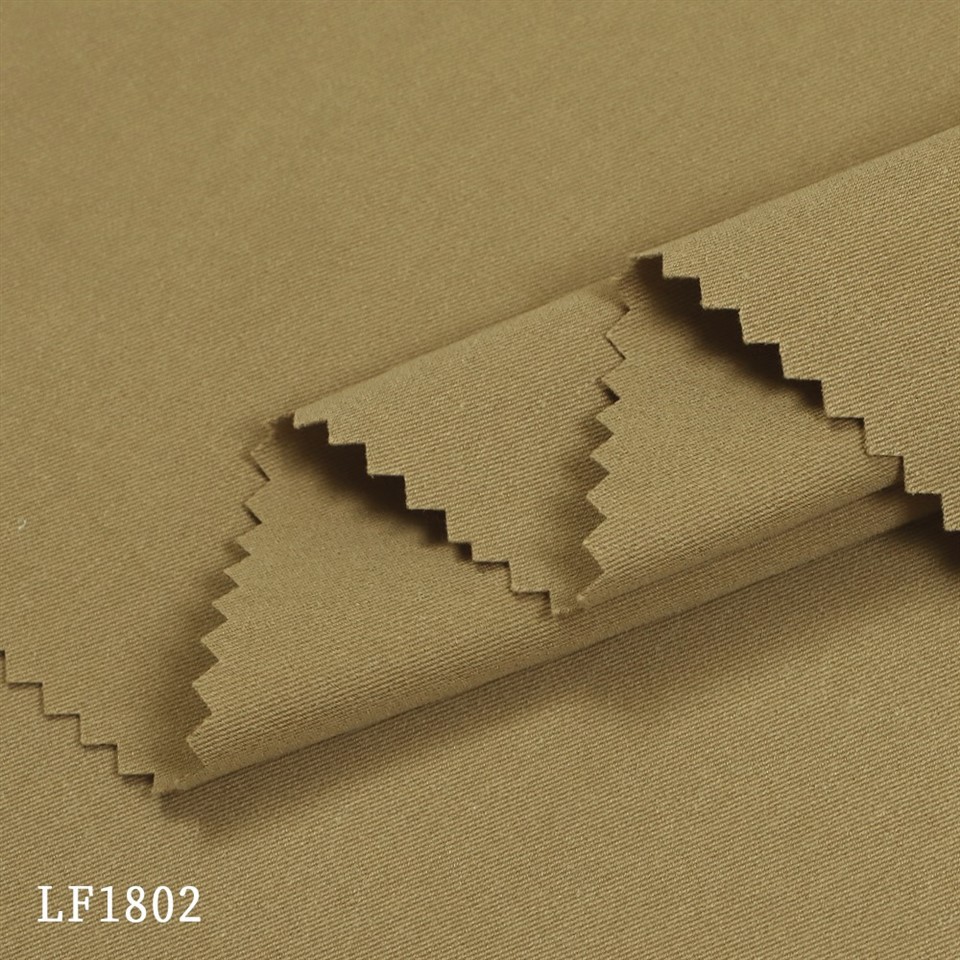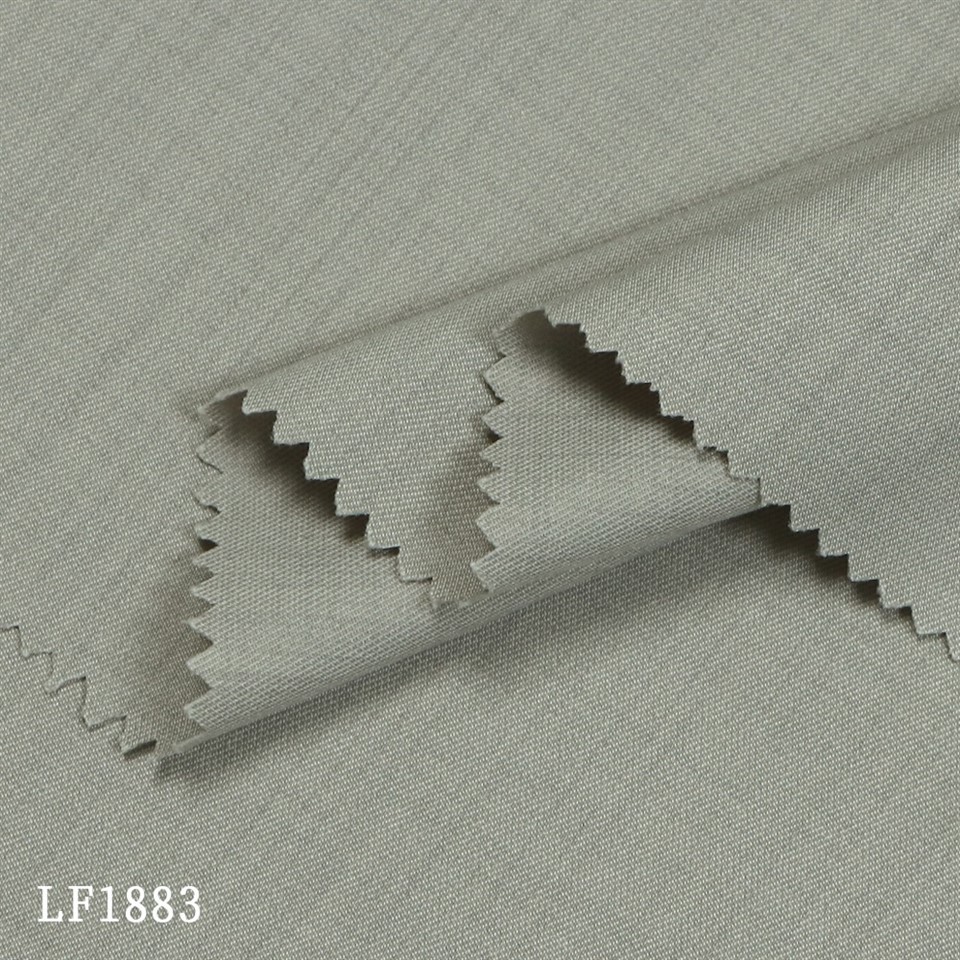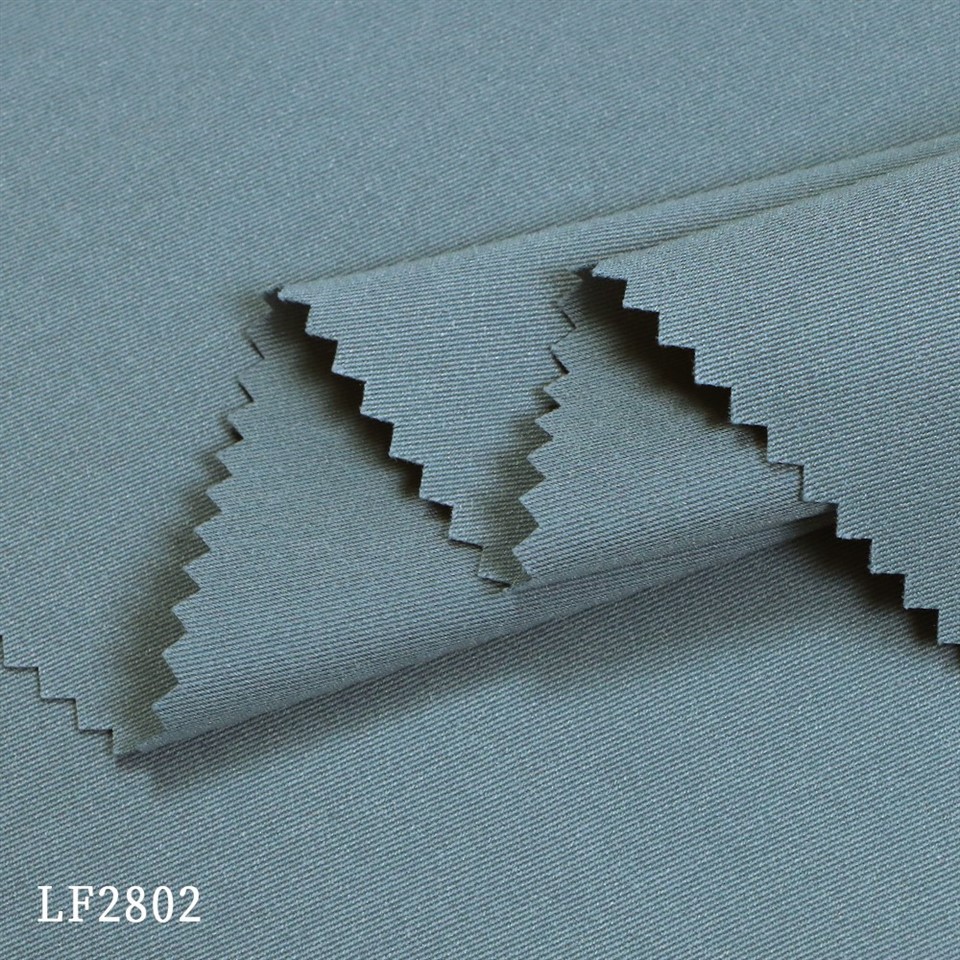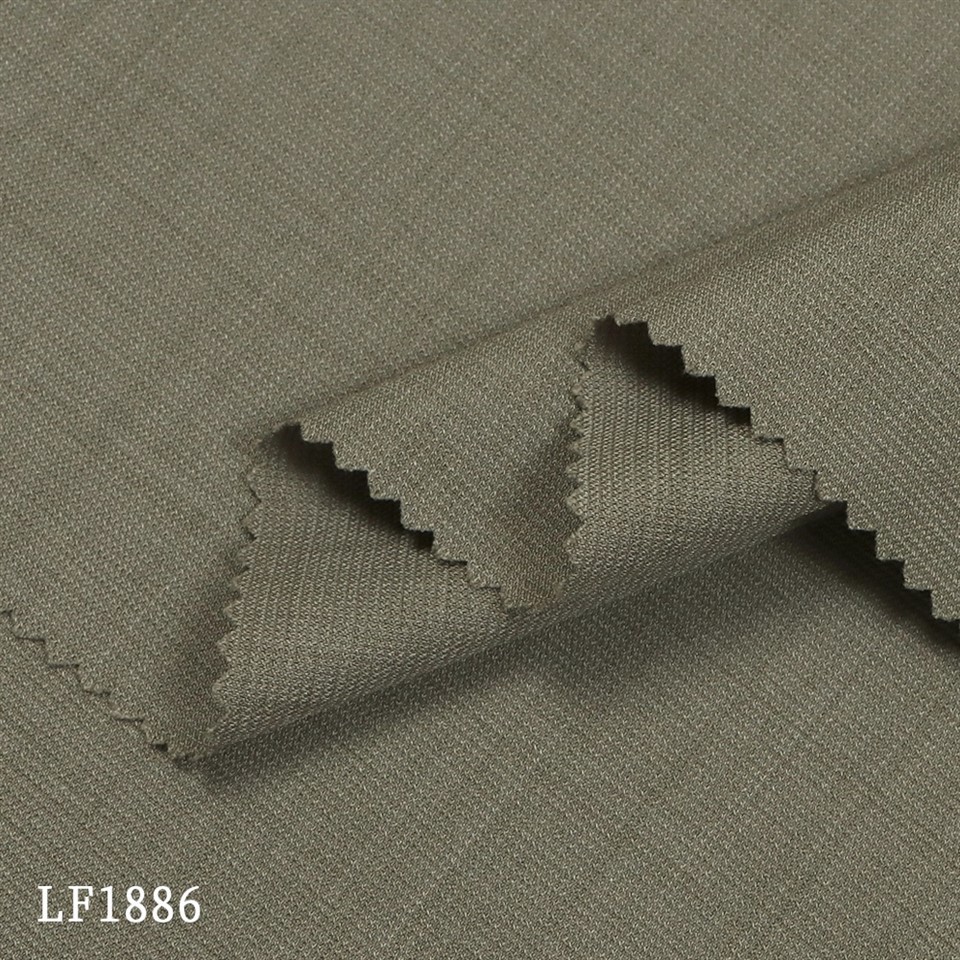
Woven fabrics are favored for their tight texture, good abrasion resistance, and breathability. However, during the production process, pinholes may appear on woven fabrics due to factors such as mechanical friction and tension. These pinholes not only affect the appearance but may also reduce the fabric's waterproof performance and lifespan. Therefore, how to effectively remove pinholes has become an important issue.
One common and effective method is to use a fabric softener. Softeners can reduce the fabric's coefficient of friction, reducing the formation of pinholes. Adding an appropriate amount of softener during the dyeing and finishing process can not only reduce pinholes but also improve the fabric's softness and comfort. However, the choice and amount of softener used must be determined according to the specific characteristics of the fabric to ensure that it does not have an adverse effect on the woven fabric.
For existing pinholes, they can be treated by filling them with needle and thread. First, apply an appropriate amount of adhesive around the pinhole, then fill the pinhole with needle and thread, and finally iron it to integrate it with the surrounding fabric. Although this method is more tedious, it is very effective for small pinholes.
Another method is to use a steam iron. Steam irons use high-temperature, high-pressure steam to iron flat fabrics. To remove pinholes, first place the iron near the pinhole, turn on the steam function, and then turn on the ironing function. This method can make the pinholes smooth and less noticeable. However, care must be taken to control the temperature and pressure to avoid damaging woven fabrics.
For larger pinholes, a filling method can be used. First, apply an appropriate amount of adhesive to the pinhole, then fill it with the filling material, and finally iron it to integrate it with the surrounding fabric. This method can make the pinholes smooth and full, less noticeable. However, the choice of filling material and particle size must be considered to ensure it does not affect the quality of the woven fabric.
Besides the above methods, pinholes can also be reduced by improving production processes and using high-quality raw materials. For example, using materials with a low coefficient of friction and reducing fabric tension, as well as adding chemical auxiliaries in the dyeing and finishing process to improve the fabric's hydrophilicity and antistatic properties.