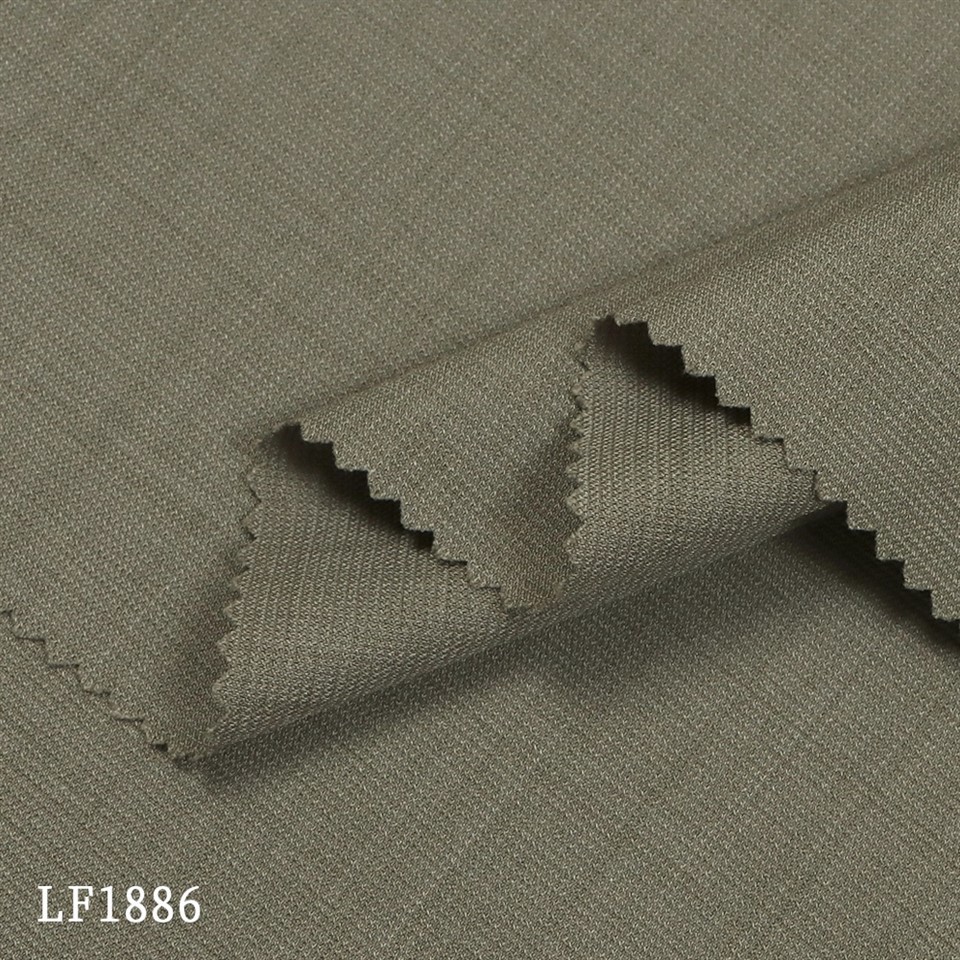
Key Factors Affecting the Skin-Friendliness of Woven Fabrics
1. Material Determines Basic Touch
- Natural Fibers: Natural materials such as cotton, silk, and linen are breathable and moisture-wicking, suitable for sensitive skin. For example, woven fabrics made of long-staple cotton (such as poplin) with a count of 40 or higher have a coefficient of friction of only 0.2-0.3 (refer to *Textile Materials Science*), far lower than the 0.5-0.7 of synthetic fibers.
- Blend Optimization: Cotton + 5%-10% spandex can improve elasticity and reduce skin friction; silk + wool blends can balance softness and warmth.
2. Weave Method Affects Contact Comfort
- High Count and High Density: For example, sateen woven fabrics with a count of 60/300 threads or higher have a 30% increase in surface smoothness (data from the China Textile Association in 2022), suitable for close-fitting clothing.
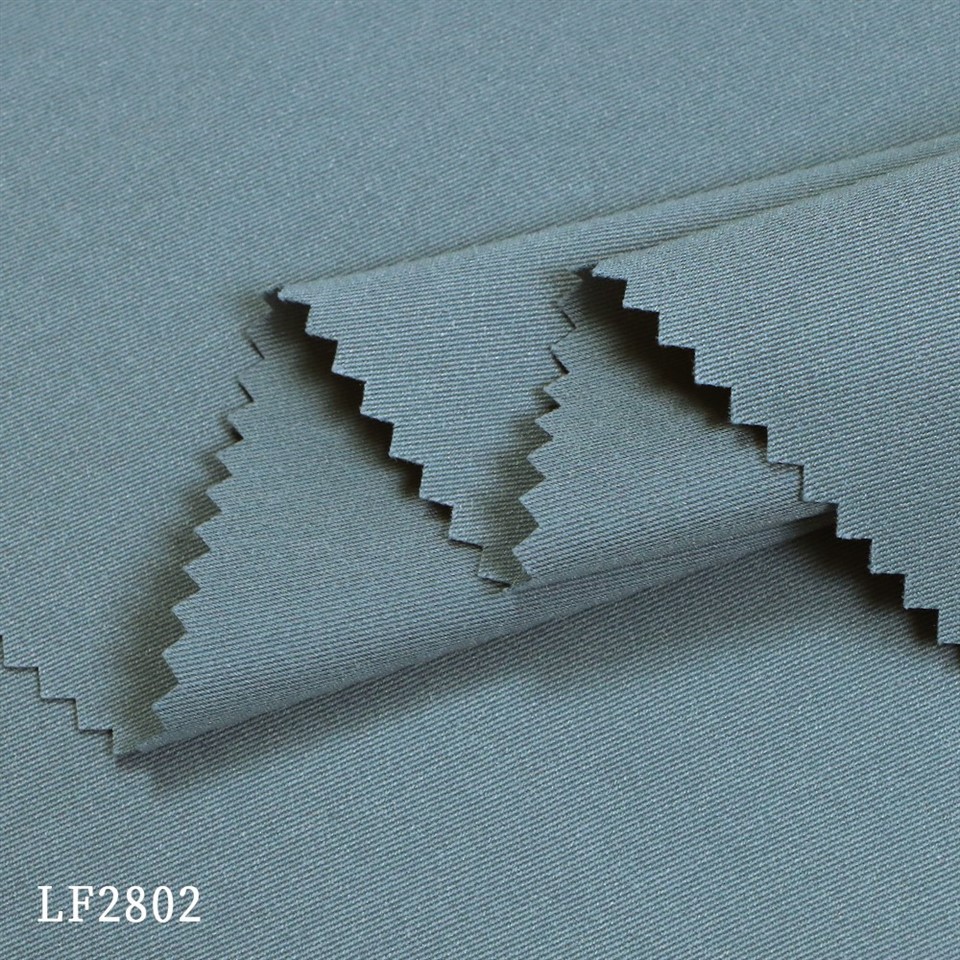
- Special Structure: Twill weave is softer than plain weave. For example, after enzyme washing, the pH value of denim is controlled at 6.5-7.0 (National Standard GB/T 3920) to avoid skin irritation.
How to Choose Skin-Friendly Woven Fabrics?
1. Check Label Parameters
- Prioritize "100% Organic Cotton" or "Mulberry Silk" composition. Chemical dye residue should be below 20mg/kg (EU OEKO-TEX standard).
- Thread Count Recommendation: Choose 40-60 thread count for summer, and 80 thread count or higher with a brushed finish for winter.
2. Testing Methods
- Friction Test: Gently rub the inside of your arm with the fabric; no redness indicates it is合格 (qualified).
- Breathability: According to GB/T 5453 standard, the air permeability of high-quality skin-friendly woven fabrics should be >100mm/s.