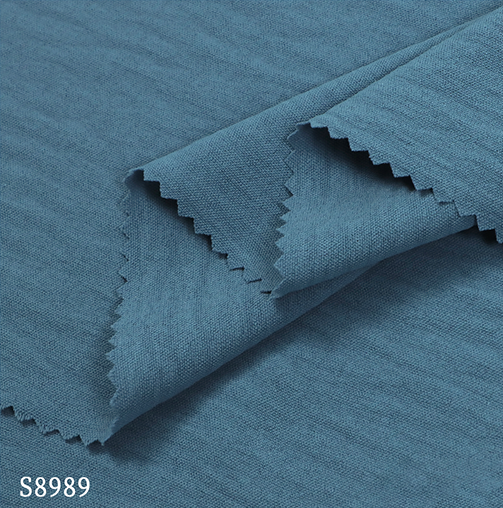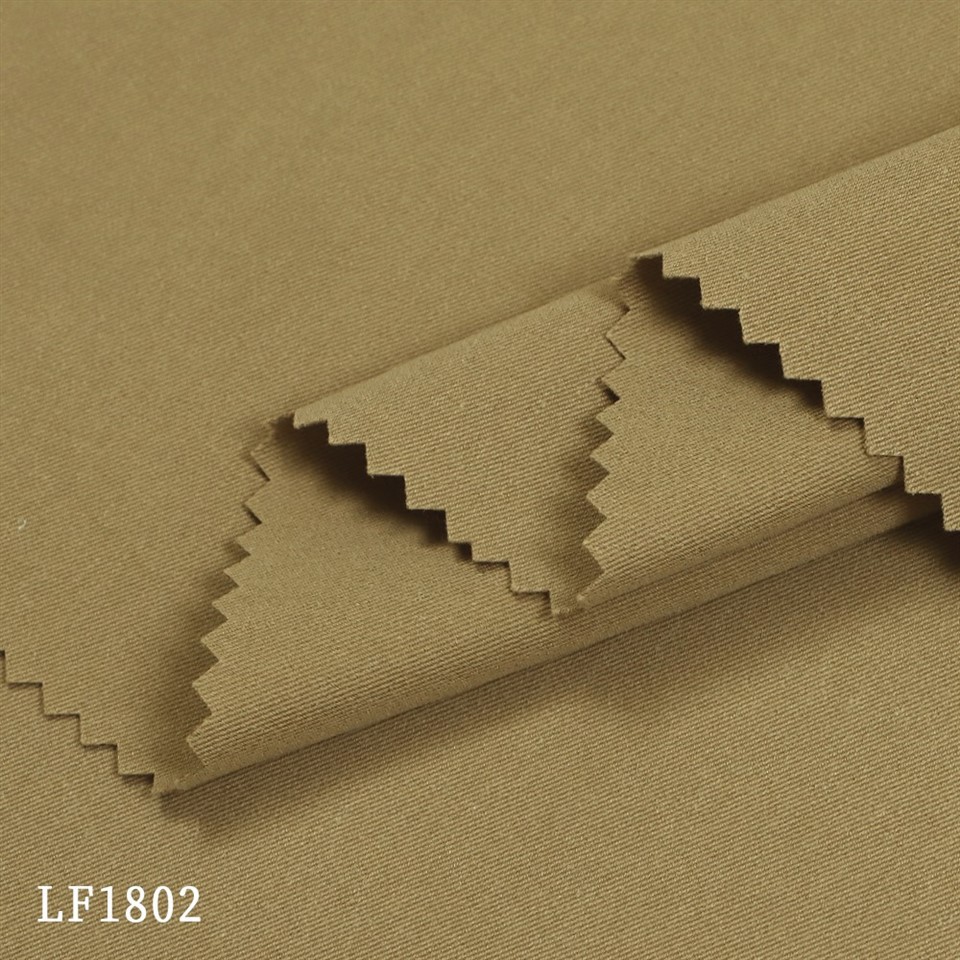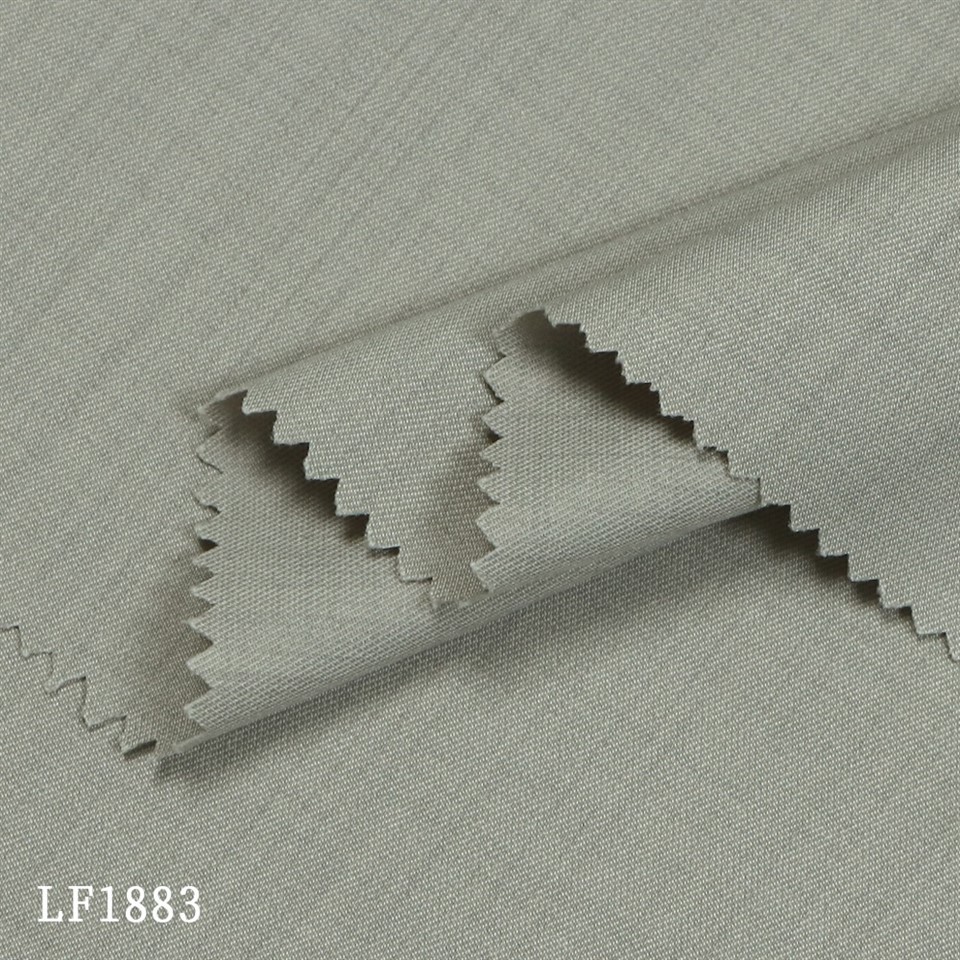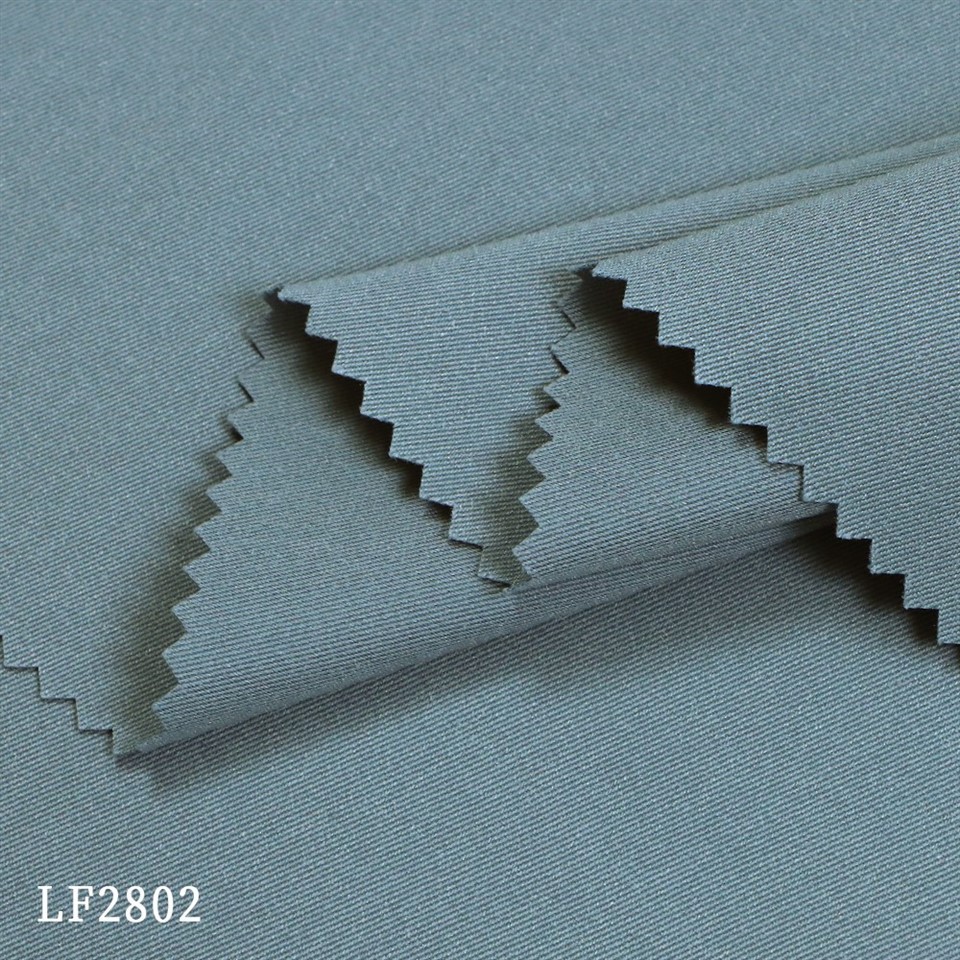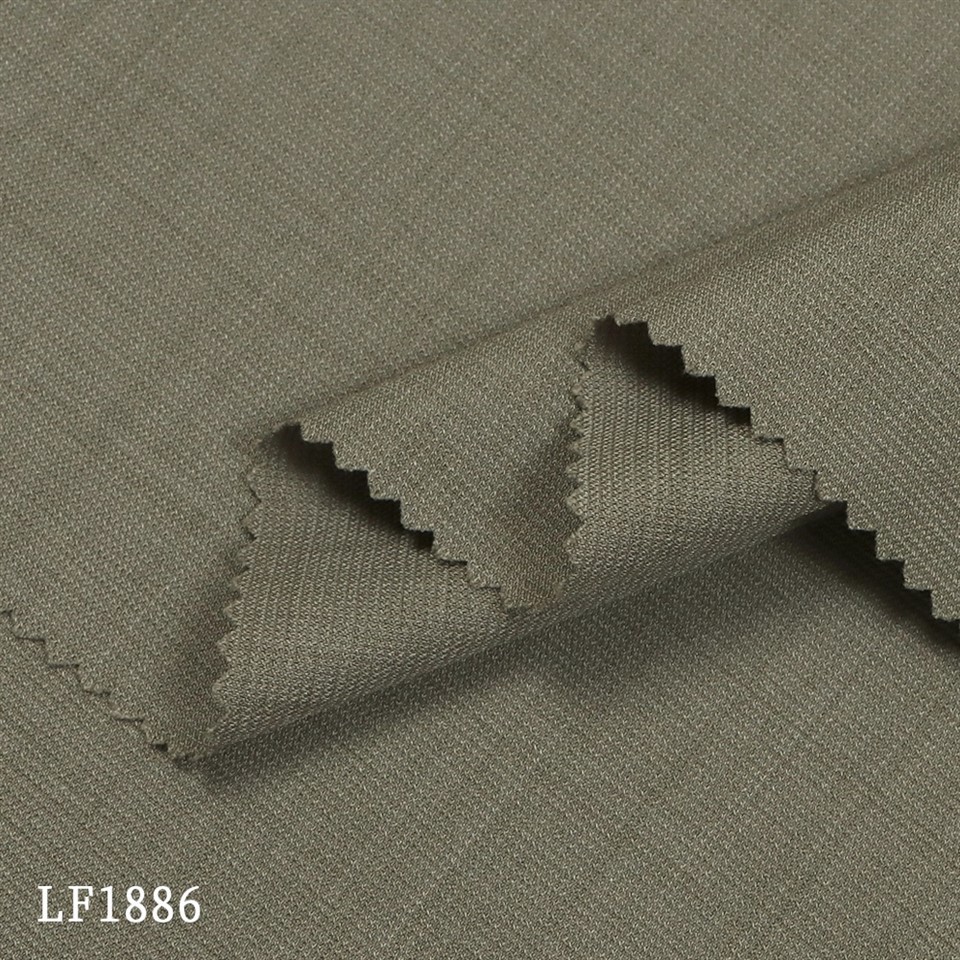
Woven fabrics are woven from warp and weft yarns, and their static electricity generation is closely related to the fiber material and environmental conditions:
1. Fiber Composition: Natural fibers (cotton, linen, wool) have strong moisture absorption, easily conduct charge, and accumulate little static electricity; synthetic fibers (polyester, nylon, etc.) have poor moisture absorption, high resistance, and easily retain charge after friction. According to data from the *Textile Research Journal* (2020), the static voltage of polyester fabric after friction can reach over 2000V, while cotton fabric is usually below 500V.
2. Ambient Humidity: When the air humidity is below 40%, it is difficult for a conductive water film to form on the fiber surface, significantly enhancing the static effect. Experiments show (referencing ASTM D423 standard) that when the humidity reaches 60%, the static voltage of polyester fabric decreases by about 65%.
3. Friction Frequency: Rapid friction (such as when clothing comes into contact with the fabric while walking) accelerates charge transfer. Tightly woven fabrics (such as poplin and canvas) are more prone to static electricity than loosely woven fabrics (such as gauze) because of their larger yarn contact surface.